Strategizing from 7 cities across the globe

Chronic Stress and the Brain
Stress is an all-too-common and familiar part of our lives, yet it can significantly impact the human body and brain on multiple levels. Research has shown that chronic stress and its associated neurohormones, such as glucocorticoids, can modulate patterns of neuronal firing and synaptic plasticity in areas like the hippocampus (a major part of our memory system), as well as decrease neurogenesis and change neuronal morphology. It also alters our amygdala, a primary component of emotional regulation, and our prefrontal cortex, which plays a role in higher-order cognitive function.
ROOTSHEALTHCAREMENTAL HEALTHBIOLOGYNEUROSCIENCE
Christelle El Murr
1/14/20266 min read
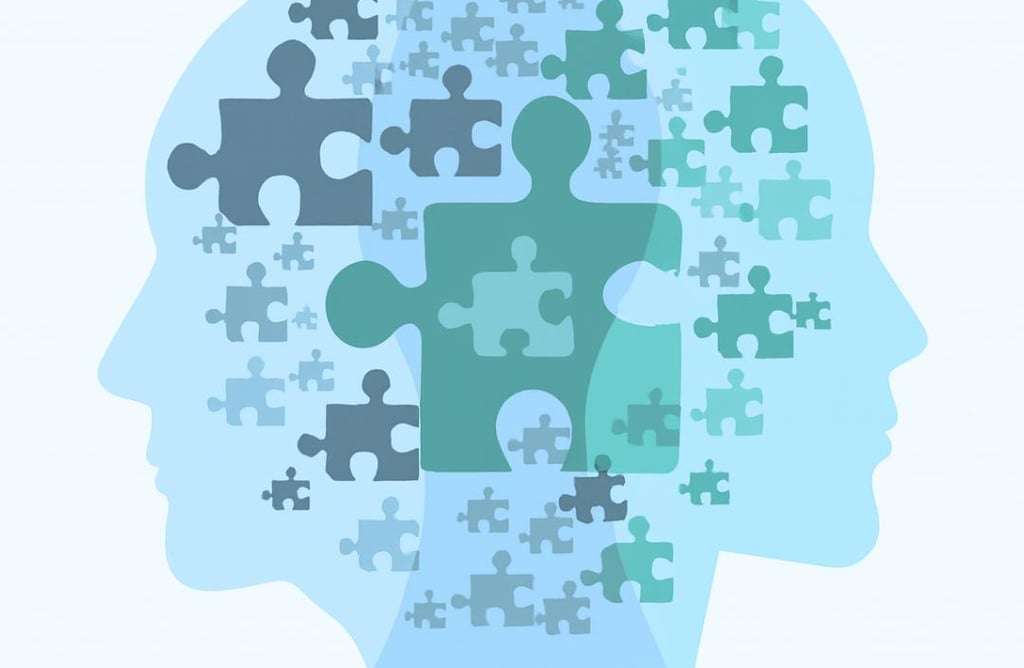
Stress is an all-too-common and familiar part of our lives, yet it can significantly impact the human body and brain on multiple levels. Research has shown that chronic stress and its associated neurohormones, such as glucocorticoids, can modulate patterns of neuronal firing and synaptic plasticity in areas like the hippocampus (a major part of our memory system), as well as decrease neurogenesis and change neuronal morphology. It also alters our amygdala, a primary component of emotional regulation, and our prefrontal cortex, which plays a role in higher-order cognitive function. Therefore, increased stress intensity and duration can result in impaired cognition and memory over time, with chronic stress being implicated in many psychological disorders such as PTSD and anxiety disorders.
Tackling this topic effectively requires a systems-level approach and an understanding that the relationship between stress and neurobiology is neither one-to-one nor linear.
With this framework in mind, this article will provide an overview of the main neurological effects of stress and outline several stress-management strategies aimed at mitigating these negative effects.
To begin, a key component of the stress response in our bodies is the neuroendocrine Hypothalamic-Pituitary-Adrenal (HPA) axis, which is made up of three organs. The hypothalamus is a major part of our central nervous system, playing key roles in homeostasis and hormonal regulation along with its connected pituitary gland. These two organs send hormones to various parts of the body where they exert many effects depending on the target organ. For example, the adrenal cortex, part of the adrenal glands on top of the kidneys, is the third organ in the HPA axis and is responsible for releasing cortisol, a major stress hormone. The adrenal medulla, the other part of the adrenal gland, releases adrenaline (epinephrine), which also plays a role in the body’s fight or flight response. Although short-term stress can be a beneficial component of our daily lives by keeping us alert and protecting us from danger, long-term or chronic elevations in stress and stress hormones can cause the HPA axis to malfunction, which can harm our health in many ways. In particular, this can cause cardiovascular issues, immune system inflammation, metabolic disorders such as diabetes, and mental health disorders.
Another important point to consider regarding our brain at the molecular and cellular level is this: we use it, or we lose it. Neural pathways that are activated more frequently in the brain become strengthened (more synapses, more connections...), while those that are not used become weakened, a process known as synaptic pruning. As a result, pathways that become overactive during stress, such as those involved in thought rumination or stress behaviors, can become reinforced, creating feedback loops that make negative thought patterns more difficult to disrupt.
Moreover, stress hormones can bind to receptors in various regions of the brain, such as the hippocampus, where they influence cognitive factors like memory, causing both rapid and delayed changes in gene expression and cellular function.
In addition, stress can cause neuroplastic changes or neuronal remodeling, such as the debranching and shrinkage of dendrites and dendritic spines in CA1 and CA3 of the hippocampus, affecting cognition and memory. It can also cause neurochemical changes in various neurotransmitter systems such as GABA, serotonin, acetylcholine, and norepinephrine, inducing changes in cell-surface receptor expression. These changes exemplify the long-term consequences of stress on brain anatomy and physiology, which can significantly alter our day-to-day life and our vulnerabilities to different psychological and neurological disorders.
Fortunately, we can mitigate some of these negative effects through the right interventions and protective factors. For example, the buffering hypothesis in psychology declares that positive and supportive social connections reduce the activity of stress activated systems in the brain, dampening HPA-axis activation. These social network benefits, whether from friends or family, extend beyond mental health improvements and ultimately boost your overall physical health.
Moreover, positive social relationships boost the brain’s release of the neurotransmitter serotonin, which is a hormone made by the hypothalamus that plays a role in pair bonding and prosocial behavior. Serotonin release also decreases the activation of the amygdala, a main component of the emotional response system, and decreases cortisol release, thereby diminishing the stress response. In the same vein, dysfunction in this neurotransmitter system is implicated in many psychological disorders, including schizophrenia, mood disorders, anxiety, and autism disorders. Therefore, social interactions strongly influence one’s ability to cope with stressful situations and one’s risk of developing a psychiatric disorder.
Another important protective factor against the negative effects of stress on the brain and body is physical exercise, especially aerobic exercise. Studies have shown that following exercise, people exhibit higher levels of BDNF (brain-derived neurotrophic factors), a chemical that plays crucial roles in the growth and maintenance of neuronal populations as well as in synaptic plasticity. Therefore, exercise serves as a neuroprotective factor against stress-induced effects, neurodegenerative diseases, and also enhances your overall sleep quality and mood through serotonin and dopamine pathways. It also helps promote the release of beta endorphins which foster well-being, lessen pain, and protect against and possibly even reverse the negative effects of stress on your brain and body.
Accordingly, some tips that could be helpful for people seeking to incorporate exercise into their daily routine include exercising with friends, picking any physical activity you enjoy doing the most (such as swimming, dancing, running...), and setting specific and realistic goals along with a timeline on how to achieve them.
Finally, another helpful intervention against stress is mindfulness meditation or other forms of relaxation, which have been shown to positively alter brain structure, functional connectivity, activity in regions such as in the prefrontal cortex, and the triple network model (Default Mode Network, Central Executive Network, and Salience Network), all of which play crucial roles in cognition. For example, the central executive network is a collection of neurons in the brain that play important roles in working memory, goal-oriented behavior, and attention. Some research has indicated that meditation increases functional connectivity amongst nodes in the three networks, conferring cognitive benefits to its practitioners. It also improves symptoms of depression, PTSD, anxiety, and pain management. The benefits of meditation in one’s quality of life are therefore profound, especially with the implementation of daily five-minute breathing exercises. Over time, the effects will add up and produce lasting changes in our quality of life.
In conclusion, chronic stress elicits a wide array of negative effects on the brain and body, restructuring neural circuits, neurotransmitter systems, and even altering gene expression in ways that compromise cognitive skills, learning and memory, and emotional regulation. By dysregulating the HPA axis and reinforcing maladaptive neural connections, stressful experiences contribute to the development of numerous psychological and physical disorders.
Fortunately, these effects are not inevitable. Protective factors such as social support, physical exercise, and mindfulness are powerful buffers that promote individual resilience and the ability to rebound after a stressful episode. They not only minimize the effects of stress but also promote neuroplasticity and neurogenesis, buffering against the harmful effects of many psychological and neurodegenerative diseases.
All in all, understanding the neurobiological underpinnings of stress is an urgent matter in today’s world, especially as societies are encountering more challenges than ever before. Moreover, this understanding is critical because it empowers us to create and adopt evidence-based strategies that protect both our mental and physical health.
As a last takeaway, I would like to stress that the creation of these strategies requires a multidisciplinary approach that integrates lines of research across many fields such as biology, psychology, medicine, and sociology. It’s only through this cross-field collaboration and a systems-levels approach that we can truly appreciate the complexities of the matter at hand. With this in mind, it’s all up to you, the reader, to use scientific knowledge to take back your brain from the harmful effects of stress.
download the full document
references:
Bremer, B., Wu, Q., Mora Álvarez, M. G., Hölzel, B. K., Wilhelm, M., Hell, E., Tavacioglu, E. E., Torske, A., & Koch, K. (2022). Mindfulness meditation increases default mode, salience, and central executive network connectivity. Scientific Reports, 12, Article 13219. https://doi.org/10.1038/s41598-022-17375-5
Cochran, D. M., Fallon, D., Hill, M., & Frazier, J. A. (2013). The role of oxytocin in psychiatric disorders: A review of biological and therapeutic research findings. Harvard Review of Psychiatry, 21(5), 219–247. doi: 10.1097/HRP.0b013e3182a75b7d
De Filippi, E., Escrichs, A., Càmara, E., Garrido, C., Marins, T., Sánchez-Fibla, M., Gilson, M., & Deco, G. (2022). Meditation-induced effects on whole-brain structural and effective connectivity. Brain Structure and Function, 227(6), 2087–2102. doi: 10.1007/s00429-022-02496-9
Gunnar, M. R., & Hostinar, C. E. (2015). The social buffering of the hypothalamic–pituitary–adrenocortical axis in humans: Developmental and experiential determinants. Social Neuroscience, 10(5), 479–488. doi: 10.1080/17470919.2015.1070747
Kim, E. J., Pellman, B., & Kim, J. J. (2015). Stress effects on the hippocampus: A critical review. Learning & Memory, 22(9), 411–416. doi: 10.1101/lm.037291.114
McEwen, B. S., Nasca, C., & Gray, J. D. (2016). Stress effects on neuronal structure: Hippocampus, amygdala, and prefrontal cortex. Neuropsychopharmacology, 41(1), 3–23. doi: 10.1038/npp.2015.171
Romero Garavito, A., Díaz Martínez, V., Juárez Cortés, E., Negrete Díaz, J. V., & Montilla Rodríguez, L. M. (2025). Impact of physical exercise on the regulation of brain-derived neurotrophic factor in people with neurodegenerative diseases. Frontiers in Neurology, 15, Article 1505879. doi: 10.3389/fneur.2024.1505879
Taren, A. A., Gianaros, P. J., Greco, C. M., Lindsay, E. K., Fairgrieve, A., Brown, K. W., Rosen, R. K., Ferris, J. L., Julson, E., Marsland, A. L., Bursley, J. K., Ramsburg, J., & Creswell, J. D. (2015). Mindfulness meditation training alters stress-related amygdala resting-state functional connectivity: A randomized controlled trial. Social Cognitive and Affective Neuroscience, 10(12), 1758–1768. doi: 10.1093/scan/nsv066
Zhang, X., Ge, T., Yin, G., Cui, R., Zhao, G., & Yang, W. (2018). Stress-induced functional alterations in amygdala: Implications for neuropsychiatric diseases. Frontiers in Neuroscience, 12, Article 367. doi: 10.3389/fnins.2018.00367