Strategizing from 7 cities across the globe

Adolescent Stress and the Genome: Epigenetic and Transcriptional Signatures of Stress Reactivity in Youth
Puberty is a critical neurodevelopmental period that is increasingly sensitive to environmental influences, particularly psychosocial and/or physiological stressors. During puberty, the brain engages in substantial maturation of regions involved in emotion, executive functioning, and social behavior (e.g., hippocampus, prefrontal cortex). The growing neuroscience and genomic evidence indicate that juvenile exposure to stress can introduce long-lasting molecular marks through changes in gene expression, transcriptional activity, and epigenetics.
ROOTSBIOLOGYGENETICSHEALTHCARENEUROSCIENCE
Hanna Bassil
1/2/20265 min read
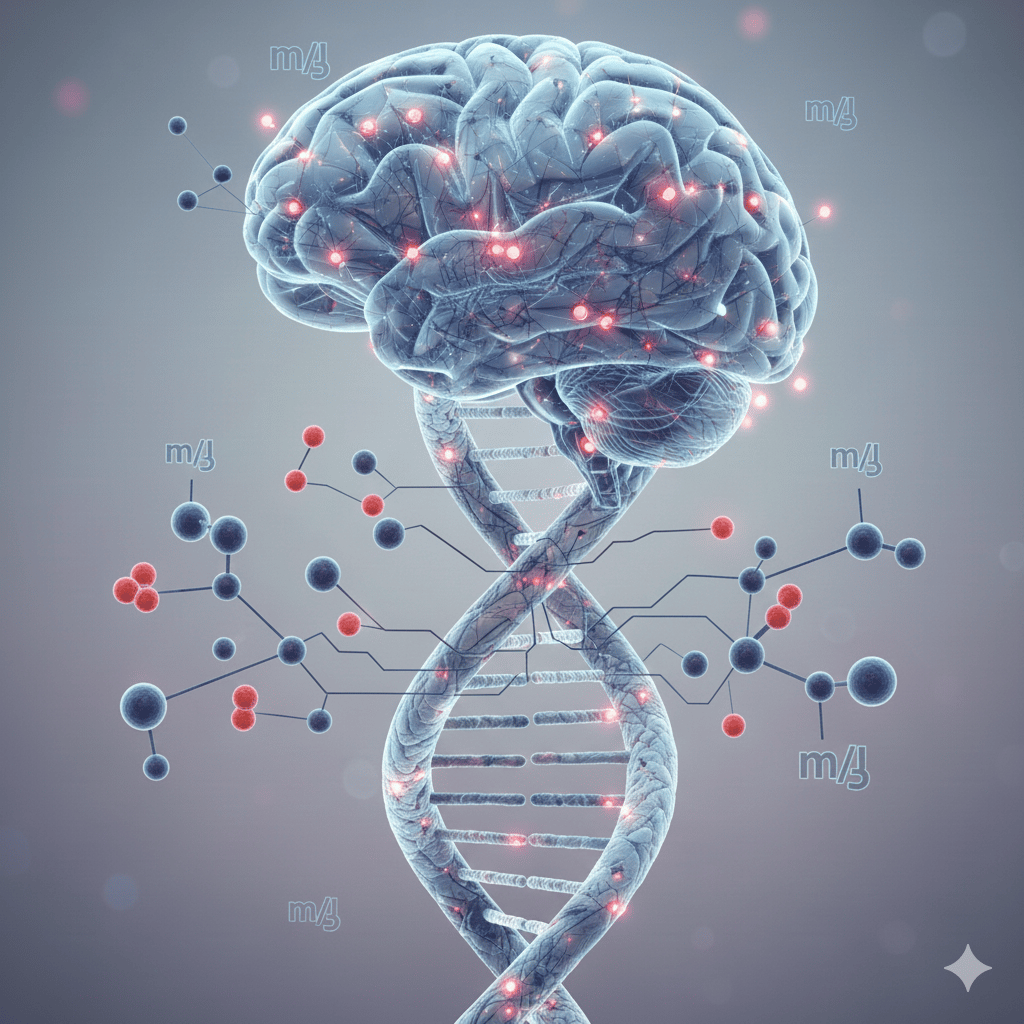
Adolescence is an extremely flexible and vulnerable period of development characterized by rapid changes in neurobiology, hormones, and psychosocial factors. During this time, biopsychosocial remodeling of the brain may include changes like synaptic pruning, myelination, and increased neuroplasticity. Neuroplasticity occurs particularly strongly in the prefrontal cortex, which is responsible for executive-function expectations, emotion regulation, and social cognition (Blakemore & Mills, 2014; Giedd et al., 2015). Neuroplasticity is useful for learning and maturation, but adolescents are potentially vulnerable to many influences and stressors, both psychosocial and environmental.
Duration of chronic or acute stress experienced during the adolescent period, including academic expectations, peer rejection, family instability, and/or poverty, can disrupt the expected neurodevelopmental trajectory of adolescents and increase the vulnerability to psychiatric disorders (e.g., depression, anxiety, or post-traumatic stress disorder) (Gee & Casey, 2015). Importantly, considerable evidence is emerging from the fields of neuroscience and genomics, suggesting that stress does not only impact behavior temporally, but can also result in long-term changes in gene expression, which occurs through transcriptional and epigenetic machinery involving molecular processes that regulate gene activity in-to the environment (Nestler et al., 2016).
Epigenetic changes like DNA methylation, histone acetylation, and non-coding RNA messaging do not alter the DNA sequence but can measurably and stably impact transcriptional programs throughout life (Sweatt, 2016). In this way, they represent a biological interface for stress to "get under the skin," and potentially reprogram brain circuitry gauging emotional regulation and cognitive control. Therefore, epigenetic processes may underline the chronic effects of early adverse experiences and different individual-level responses to stress (Bale, 2015).
It is noteworthy that these molecular responses vary depending on types, lengths, and timing of exposure to stress, as well as biological sex, which significantly contributes to the nature and extent of transcriptional and epigenetic changes (McKlveen et al. 2019; Bouvier et al., 2023). Rowson et al. (2019), for example, observed that continuous stress exposure during adolescence resulted in sex-dependent and transcriptomic changes to genes associated with neuroplasticity, synaptic signaling, and immunity within the hippocampus. These studies can provide useful directions for studying sex, especially regarding sex-informed perspectives on individual biological responses to stress, or potentially the study of models of vulnerability or resilience.
Although we can document advances from these studies, there are still unknowns to the questions: which molecular pathways alter greater and what perturbations are caused by different forms of repeated exposure to adolescent stress? Do epigenetic adaptations mediate those influences or maintain those perturbations? Moreover, can perturbations that were observed be sustained, and serve as long-term mental health biomarkers or indicators? These are all important unknowns. Responding to these questions will be useful towards fostering individualized intervening strategies to address any negative impact that adolescent stress has on psychosocial resilience in the individual across the lifespan.
Research has indicated that adolescent stress can have serious and long-term biological effects likely associated with tweaked patterns of gene expression and epigenetic changes within the brain. The adolescent brain is highly plastic in areas of the brain most sensitive to stress (e.g., prefrontal cortices, hippocampus) that underpin cognitive flexibility, emotional regulation, and memory development. Developmental remodeling at this scale during the maturation process may leave portions of the developing adolescent brain open to the world, and more influenced by the environment than other times in development (Giedd et al., 2015). Robust alterations in transcriptional activity within stress-sensitive brain areas occur in response to acute and chronic psychosocial stressors, such as social isolation, academic demands and/or family disruption, and thus have the likelihood of resulting in long-lasting neurobehavioral effects.
In addition to transcriptional alterations, the genome's regulatory landscape is modified to convey messages of stress through epigenetic alterations. Gene expressions may be modulated by epigenetics such as DNA methylation, acetylation of histone tails, and expression of non-coding RNAs (microRNAs such as miR-124, miR-135, and miR-34) that do not alter the DNA nucleotide code. For example, individuals may experience increased methylation of the NR3C1 following exposure to stress during the critical early childhood and adolescent window, resulting in reduced feedback functionality by stress hormones and heightened reactivity of the HPA axis (Romens et al., 2015). This in turn may lead to dysregulation contributing to anxiety, depression, and PTSD in adulthood. Further, post-translational modification of histones may mediate a repressive or enhancing transcriptional output in promoters of specific genes because of environmental experiences and modulate the trajectory of an individual's future stress response.
Importantly, many of these molecular signatures are long lasting, continuing after the original exposure to stress and evidence of what has been described as a “molecular memory” of stress (Nestler et al., 2016). It is theorized that memory encodes the experience of environmental adversity into enduring alterations in gene expression, consistent with a person trait, that may confer risk for future mental health impairment or promote resilience, depending on the biological context. Additionally, the relationship between transcriptional and epigenetic responses presents a biological framework for clarifying why two adolescents subjected to the same stress exposure may have dramatically different long-term outcomes: one developing psychopathology, and the other having adaptive coping.
With the identification of stress-induced molecular signatures, researchers can make progress towards the development of biomarkers of vulnerability and resilience. Biomarkers of stress could inform early identification of individuals falling into the at-risk group and pave the way for precision psychiatry approaches to prevention and intervention. Such approaches, whether behavioral, pharmacological, or even epigenetic drugs, could help reverse or change the course of the molecular cascade, before it is stable and chronic.
Download the full document
References
1-Bale, T. L. (2015). Epigenetic and transgenerational reprogramming of brain development.Nature Reviews Neuroscience, 16(6), 332–344.
https://doi.org/10.1038/nrn3818
2- Bouvier, B., Ponsot, E., & Susini, P. (2023, September). Reorganization of temporal local/global processing with auditory salience.
https://hal.science/hal-04292086v1
3- Gee, D. G., & Casey, B. J. (2015). The impact of developmental timing for stress and recovery. Neurobiology of Stress, 1, 184–194.
https://doi.org/10.1016/j.ynstr.2015.02.001
4- Giedd, J. N., Raznahan, A., Alexander-Bloch, A. F., Schmitt, E., Gogtay, N., & Rapoport, J. L. (2015). Child Psychiatry Branch of the National Institute of Mental Health longitudinal structural magnetic resonance imaging study of human brain development. Neuropsychopharmacology, 40(1), 43–49.
https://doi.org/10.1038/npp.2014.236.
5- McKlveen, J. M., Moloney, R. D., Scheimann, J. R., Myers, B., & Herman, J. P. (2019). “Braking” the prefrontal cortex: The role of glucocorticoids and interneurons in stress adaptation and pathology. Biological Psychiatry, 86(9), 669–681. https://doi.org/10.1016/j.biopsych.2019.04.032
6-Mills, K. L., Lalonde, F., Clasen, L. S., Giedd, J. N., & Blakemore, S.-J. (2014). Developmental changes in the structure of the social brain in late childhood and adolescence. Social Cognitive and Affective Neuroscience, 9(1), 123–131. https://doi.org/10.1093/scan/nss113
7- Nestler, E. J. (2014). Epigenetic mechanisms of depression. JAMA Psychiatry, 71(4), 454–456.
https://doi.org/10.1001/jamapsychiatry.2013.4291.
9- Romens, S. E., McDonald, J., Svaren, J., & Pollak, S. D. (2015). Associations between early life stress and gene methylation in children. Child Development, 86(1), 303–309.
https://doi.org/10.1111/cdev.12270
8- Sweatt, J. D. (2016). Neural plasticity and behavior—sixty years of conceptual advances. Journal of Neurochemistry, 139(Suppl. 2), 179–199.
https://doi.org/10.1111/jnc.13580